The Hidden Cost of a $5 Dress: Shein’s Exploited Workers and the Fight for Justice
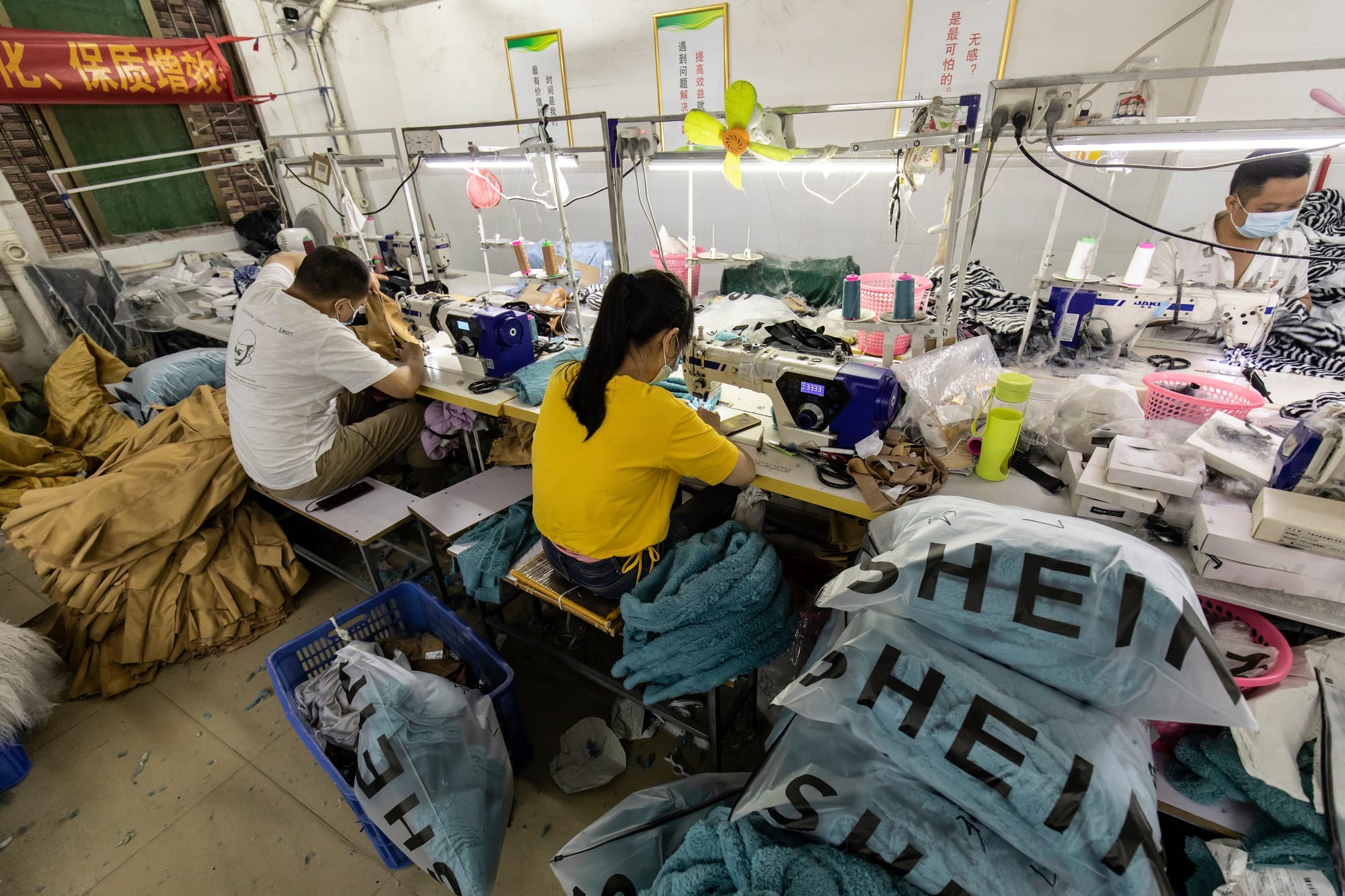
In the digital age, where trends are born and buried within days, Shein has emerged as a titan of fast fashion, captivating millions with its endless scroll of 5 dresses,10 jeans, and accessories cheaper than a cup of coffee. Its rise to a $100 billion valuation is a testament to the addictive allure of instant gratification—a business model perfected to feed the world’s obsession with newness. Yet, beneath the glossy surface of hauls and influencer endorsements lies a reality far removed from the glamour: a sprawling network of factories where workers stitch, dye, and package garments under conditions that strip them of dignity, safety, and fair compensation. Investigations by the BBC and labor rights organizations have peeled back the layers of this empire, revealing a system built on exploitation, where human lives are reduced to cogs in a machine designed to prioritize profit over people. But within this darkness, there is a growing movement—of workers learning to claim their rights, activists demanding accountability, and consumers awakening to the true cost of their purchases. This is the untold story of Shein’s hidden workforce and the global struggle for justice in the shadows of fast fashion.
The narrative begins in unmarked factories scattered across China’s industrial zones, where workers clock in before dawn and leave long after midnight, their lives governed by the relentless rhythm of Shein’s production quotas. Here, employees report working 18-hour shifts, seven days a week, for wages as low as 4 cents per garment. For many, these factories are a last resort—a means to escape rural poverty or support families back home. But the promise of steady income quickly unravels into a cycle of exhaustion and exploitation. Workers describe factories devoid of emergency exits, where fire drills are nonexistent and ventilation is a luxury. Chemical fumes from dyes hang thick in the air, yet masks and gloves are rarely provided. “We cough constantly, and our hands burn from the fabrics,” one worker told the BBC under anonymity, fearing retaliation. “But if we complain, they replace us. There are always others desperate enough to take our place.”
This exploitation is not accidental but engineered. Shein’s business model thrives on speed and disposability, producing 6,000 new items daily to feed a global appetite for cheap, trend-driven clothing. To meet these demands, the company relies on subcontractors who compete ruthlessly to slash costs, often bypassing labor laws with impunity. Shein, headquartered in Singapore, maintains a calculated distance from these factories, allowing it to deflect blame while reaping the profits. “We require suppliers to adhere to local laws,” the company states—a hollow assurance in regions where enforcement is lax and corruption rampant. In Guangdong province, for example, minimum wage laws are routinely ignored, and overtime pay exists only on paper. Workers, many of whom are migrants without legal residency permits, have little recourse. They are trapped in a system where speaking out risks not just their jobs but their livelihoods.
Yet, the roots of this crisis extend beyond factory walls. Shein’s success is fueled by a globalized economy that prioritizes convenience over ethics. A dress designed in Los Angeles is sketched, stitched, and shipped from Guangzhou within days, sold to a teenager in London, and discarded in a landfill in Ghana within months. The true cost of this cycle—environmental destruction, human suffering, and the erosion of local industries—is hidden from consumers, who see only the allure of a $5 price tag. This disconnect is no accident. Fast fashion’s marketing machinery thrives on obscurity, branding itself as democratic and empowering while erasing the humanity of those who make it possible. As one labor activist starkly notes, “When you buy a Shein dress, you’re not just purchasing fabric. You’re buying into a system that treats people as disposable.”
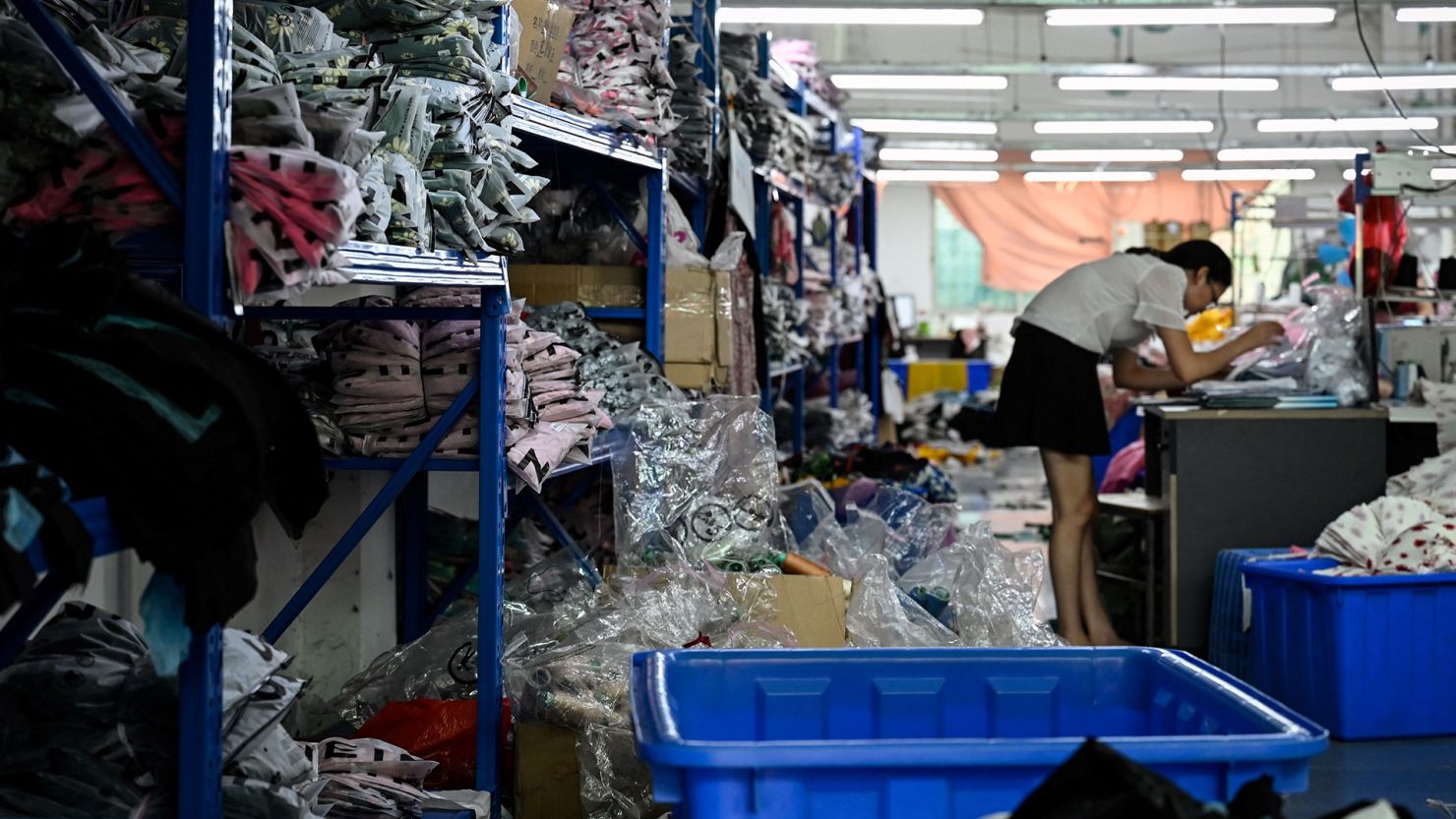
But disposability is not destiny. Across the world, workers are pushing back, armed with growing awareness of their rights and the tools to demand them. In China, where independent unions are banned, laborers are finding creative ways to organize. Secret chat groups on WeChat and QQ allow them to share grievances and strategies, while NGOs like China Labor Watch provide underground training on labor laws. Workers learn to document abuses—snapping photos of unsafe conditions, recording unpaid overtime in hidden journals, and saving pay stubs as evidence. These small acts of defiance carry immense risk, but they are also potent. In 2023, leaked footage from a Shein subcontractor’s factory went viral on Douyin (China’s TikTok), sparking public outcry and forcing temporary shutdowns. “The world is watching now,” says Li Wei, a labor rights lawyer based in Hong Kong. “Every video, every photo, is a crack in the wall of silence.”
The fight for justice is also moving beyond factory floors. International coalitions like the Clean Clothes Campaign and Remake are leveraging consumer power to pressure brands. Through petitions, boycotts, and social media campaigns, they’ve forced companies like H&M and Zara to compensate workers for pandemic-era order cancellations. Shein, despite its evasion tactics, is not immune. In 2022, a UK lawsuit accused the brand of violating modern slavery laws, citing evidence from undercover investigations. While the case is ongoing, it sets a critical precedent: corporations can no longer hide behind subcontractors to evade accountability. “The law is catching up,” says Ayesha Barenblat, founder of Remake. “Every lawsuit, every policy change, is a step toward rewriting the rules of this industry.”
For workers, legal action is just one tool. Collective bargaining, even in its most rudimentary forms, has proven transformative. In Bangladesh, where garment workers face similar exploitation, unions have secured wage increases and safety reforms through strikes and protests. In Turkey, Syrian refugees employed in Shein’s supply chain recently formed a cooperative to negotiate directly with factory owners, bypassing exploitative middlemen. These victories, though small, underscore a universal truth: solidarity is strength. As Amina Hassan, a garment worker in Istanbul, explains, “When we stand together, they cannot ignore us. We are not machines. We are human beings with voices.”
Consumers, too, hold immense power in this equation. The fast fashion model collapses without demand, and every purchase is a tacit endorsement of its practices. Choosing ethical alternatives—buying secondhand, supporting fair-trade brands, or simply buying less—can disrupt the cycle. Education is equally critical. Documentaries like The True Cost and social media movements like #WhoMadeMyClothes are shifting public perception, transforming shoppers into advocates. “We don’t need everyone to be perfect,” says fashion activist Venetia La Manna. “We need millions doing what they can—buying less, asking questions, demanding transparency.”
The road ahead is long, but not hopeless. In the decade since the Rana Plaza collapse, which killed 1,134 Bangladeshi garment workers in 2013, global awareness of fast fashion’s human toll has grown exponentially. Survivors of that tragedy have become vocal advocates, traveling the world to share their stories and push for reforms. Their resilience is a reminder that change is possible—but only if the world listens.
For Shein’s workers, justice begins with visibility. It begins with consumers recognizing that their cheap clothing comes at a human cost and that their choices can either perpetuate harm or fuel reform. It begins with governments enforcing stricter supply chain laws and holding corporations accountable. Most of all, it begins with workers themselves—their courage to organize, to speak out, and to demand the dignity they deserve.
The $5 dress is not cheap. Someone, somewhere, is paying the price. But as the threads of resistance weave together—across factories, courtrooms, and social media feeds—they form a fabric of hope. A future where fashion celebrates creativity without exploitation, where every worker is seen, heard, and valued, is within reach. The question is no longer whether this future is possible, but how quickly we dare to make it real.